Privacy Focused Infrastructure and Ai Development

The Pyramid Is Crumbling Beneath Us
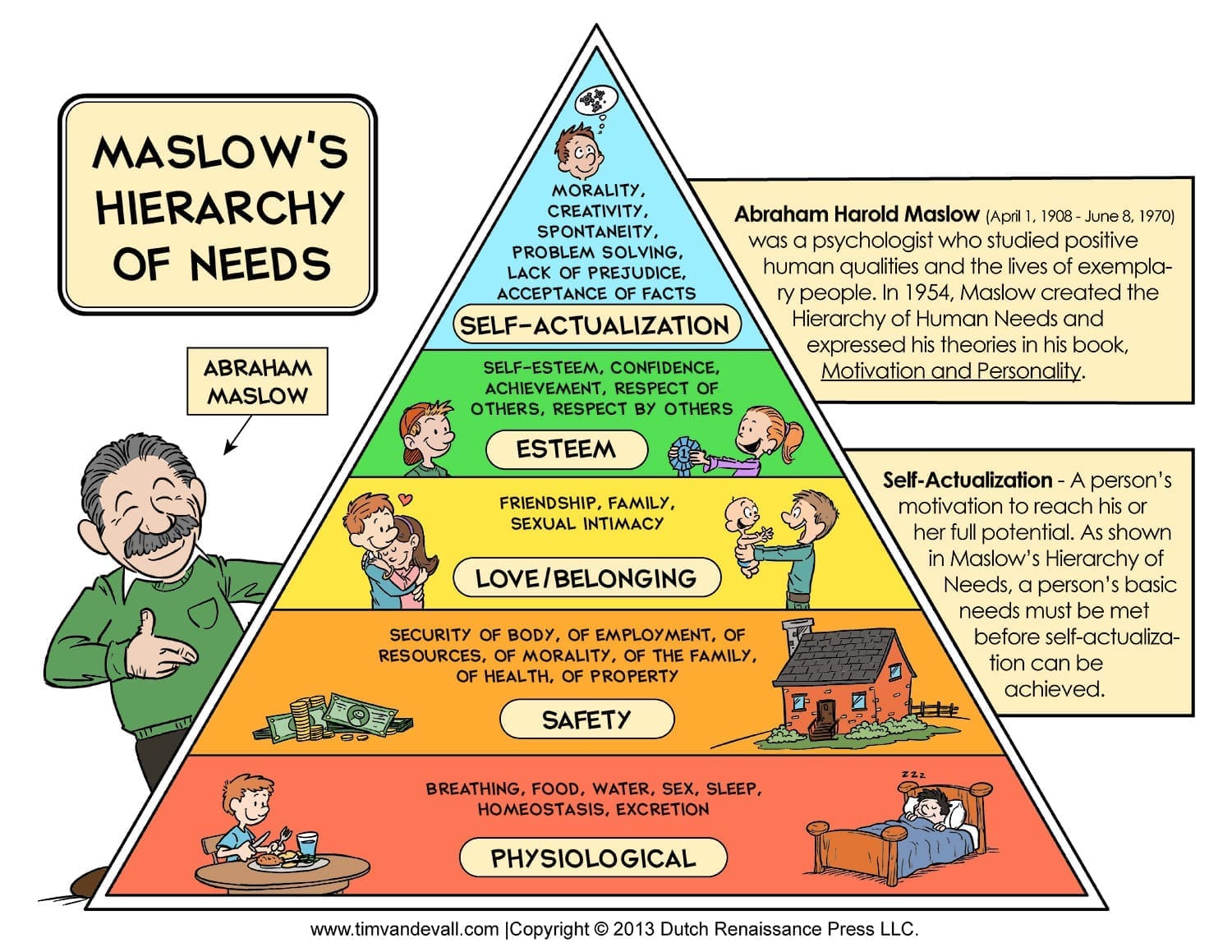
I've been thinking about Maslow's hierarchy of needs lately. You know, that pyramid from Psychology 101? The one that says humans need to satisfy basic needs like food and shelter before they can worry about self-actualization and fulfilling their potential?
Here's the thing. Something weird is happening in the West. We're supposed to be the most prosperous societies in human history, right? But if you actually look at what's happening across the board, we're not struggling at the top of the pyramid trying to self-actualize. We're getting squeezed at every single level below that.
The top two tiers? Self-esteem and self-actualization? Those are still intact. We still believe we can be anything we set our minds to. We feel respected (mostly). We have freedom and autonomy. That part's working fine.
Everything underneath is crumbling.
Let's Start With Survival
You can't get more basic than food and housing. These are literally "stay alive" level needs.
In the past four years, food prices jumped 25%. Not gradually over a decade. Twenty-five percent since 2020. In 2022 alone, we saw the fastest food inflation since 1979. Think about that. Your grandparents saw worse food inflation exactly once in their lifetime, and we just lived through it.
Home prices? Up 47% since early 2020. Forty-seven percent. Rents are up 26% nationwide in the same period. The median home now costs about five times the median household income. Half of all renters spend more than 30% of their income just on housing. That's a record high, by the way.
So yeah, the most basic survival needs? They're becoming unaffordable for a huge chunk of the population.
And Then There's What We're Breathing
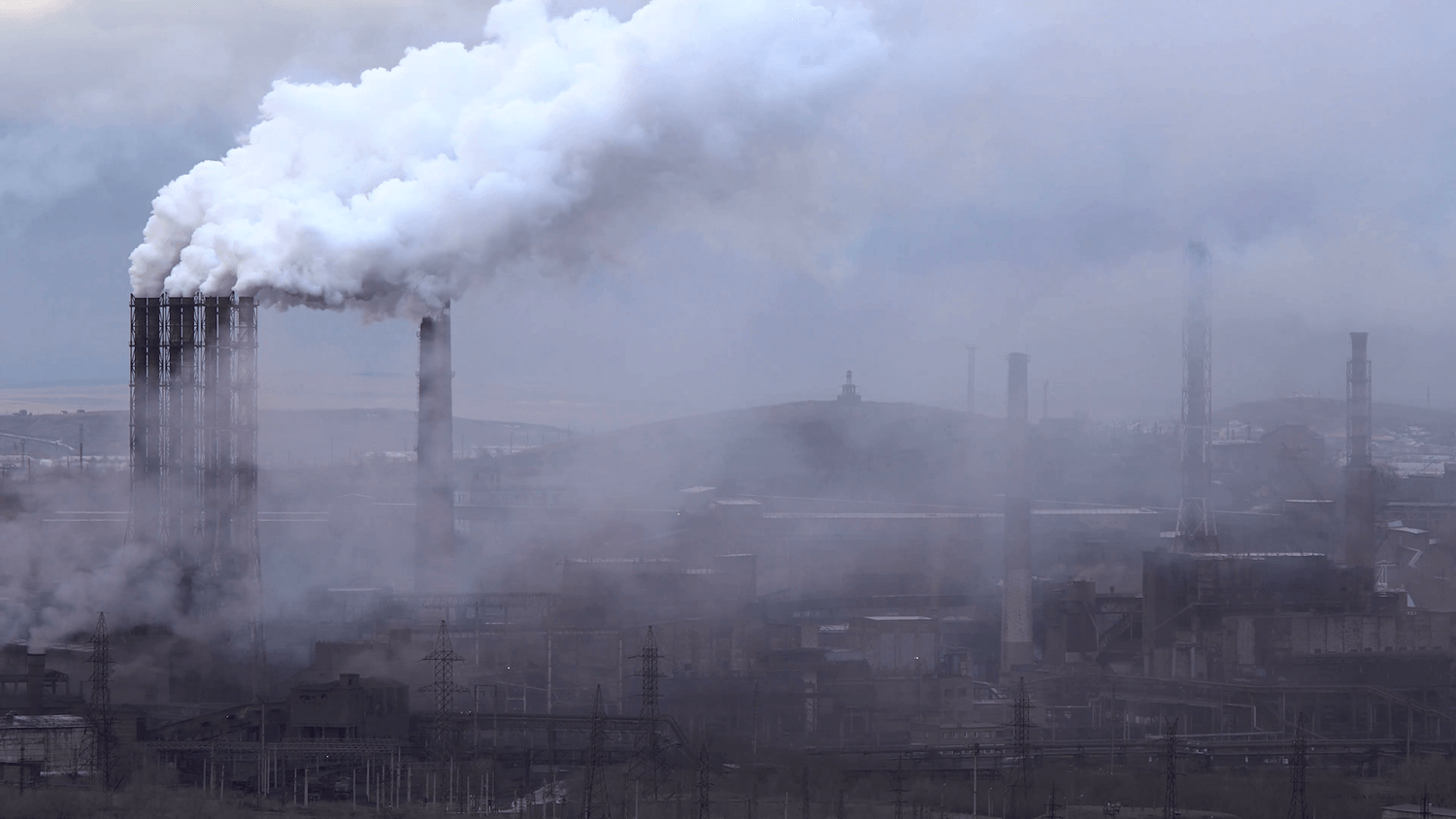
Air quality is deteriorating in many urban areas from regular industrial pollution and vehicle emissions. But here's where it gets stranger. There's active research into something called solar geoengineering. Billionaires like Bill Gates have poured millions into studying how to spray aerosols (things like calcium carbonate or sulfates) into the stratosphere to reflect sunlight and cool the planet.
This isn't some fringe conspiracy theory. Harvard has an entire Solar Geoengineering Research Program. The U.S. government allocated $4 million to NOAA for this research in 2019. The National Academies called for another $100 to $200 million in funding.
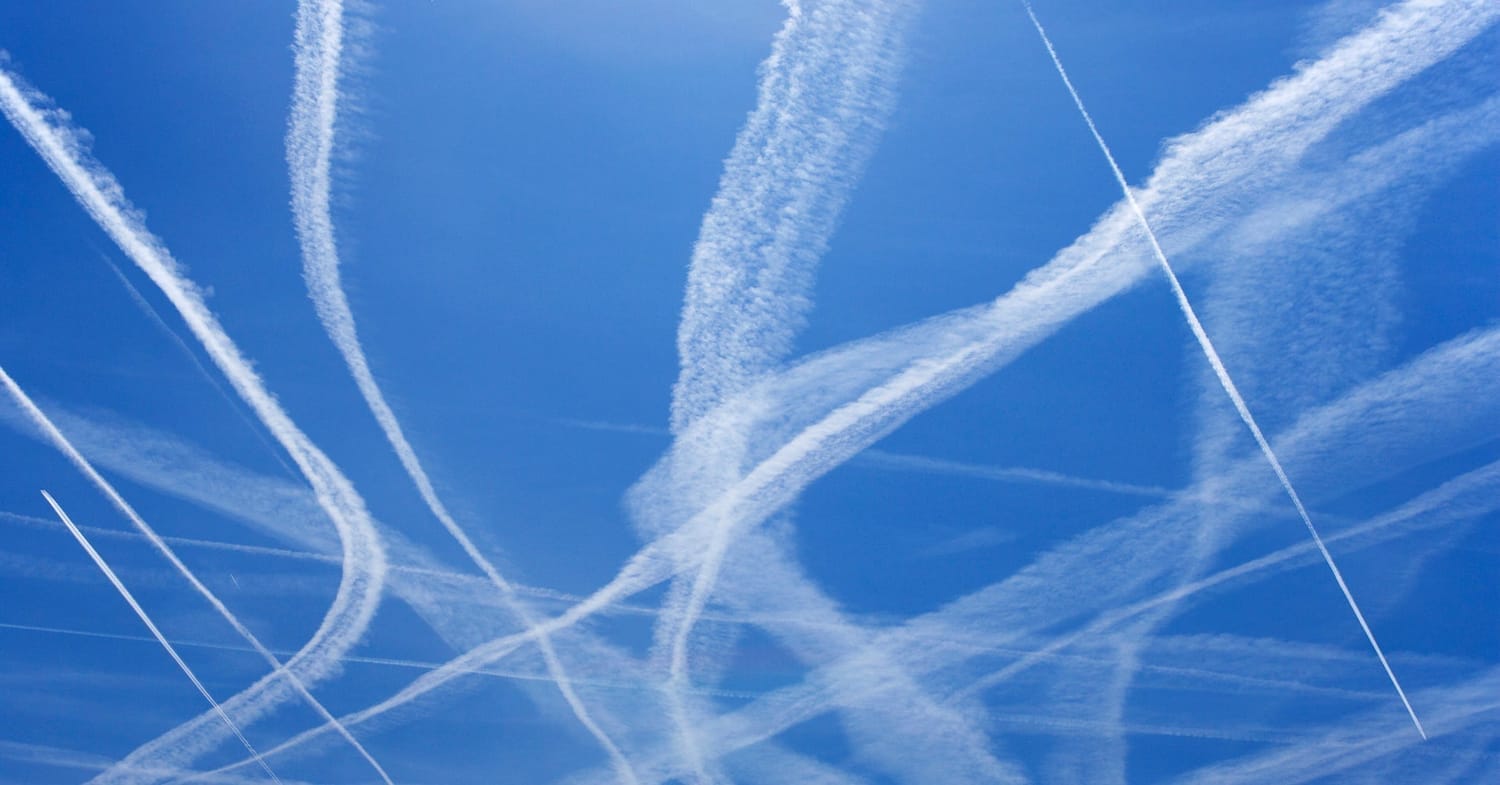
Now, supposedly, they haven't actually deployed this at scale yet. The trails you see from planes are still 'normal contrails' (water vapor that persists longer in humid atmospheric conditions). But the research is real, the funding is real, and the risks are terrifying. We're talking about potential droughts in Africa and Asia, possible threats to food and water sources for two billion people, ozone depletion risks, and something called "termination shock" if deployment suddenly stops.
Over 500 scientists from 61 countries signed a letter in 2022 opposing this research. That should tell you something.
Fertility Collapse
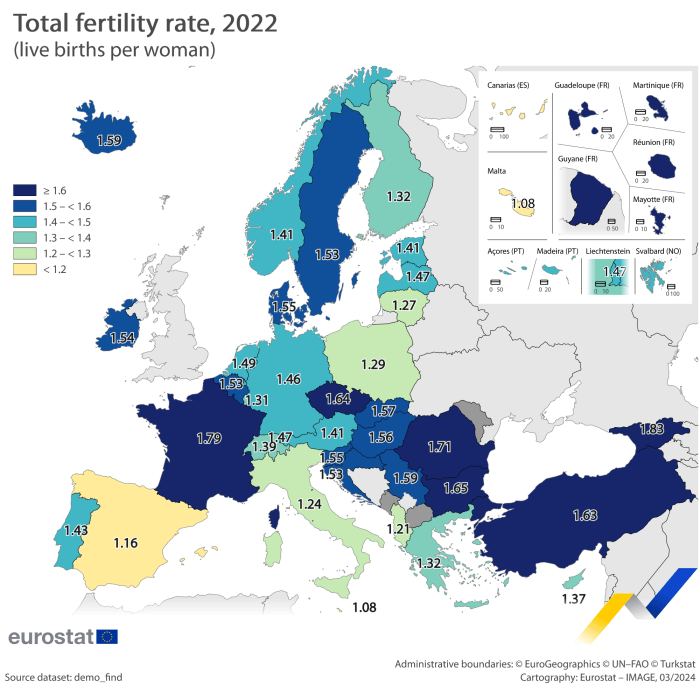
Want to talk about reproduction? Fertility rates across Western countries have fallen to between 1.2 and 1.8 births per woman. The replacement rate is 2.1. We're not even close.
China's at 1.0 to 1.2. South Korea is under 1.0. Europe averages 1.4, North America 1.6. By 2100, they're predicting 97% of countries will be below replacement level.
This isn't happening because of some natural progression. Economic pressures, delayed family formation, housing costs that make having kids seem impossible. The basics of human survival and reproduction are under attack by affordability.
The Safety Layer Is Failing Too
Once you have food and shelter, the next level is safety. Security. Stability. A sense that the world isn't going to fall apart around you...
Yeah so, about that...
Jobs for New Graduates
I don't have official government statistics on this yet, but if you're paying any attention at all, you've seen it. Mass layoffs, especially in tech. Companies that were hiring like crazy two years ago are now cutting entry-level positions. New graduates are facing a job market that looks nothing like what their parents encountered.
The data will catch up eventually, but anyone job hunting right now already knows.
Cities Feel Less Safe
This one's complicated because crime statistics are all over the place. Some cities saw spikes during 2020-2022, then declines. Others are still struggling. But here's what's undeniable: personal security concerns have intensified in many Western cities.
St. Louis has consistently high violent crime. San Francisco has visible homelessness everywhere and property crime issues. London has knife crime concerns. It's not every single city, and long-term violent crime rates are still below 1990s peaks in many places. But the perception of danger, reinforced by visible social disorder and homelessness, has absolutely impacted how safe people feel.
And perception matters. If you don't feel safe walking around your own city, that's a safety need that's not being met.
Owning Anything
Property ownership has become a pipe dream for huge numbers of people. The U.S. homeownership rate barely budged in 2023, up just 0.1% to 65.9%. That's the smallest increase since 2016. First-time homebuying has dropped significantly. Mortgage costs are at 30-year highs for a median-priced home.
We're moving toward what some people call a "renting economy." You rent your home. You subscribe to software instead of buying it. You lease your car. Ownership is increasingly for the already wealthy.
What We're Eating (or Being Fed)
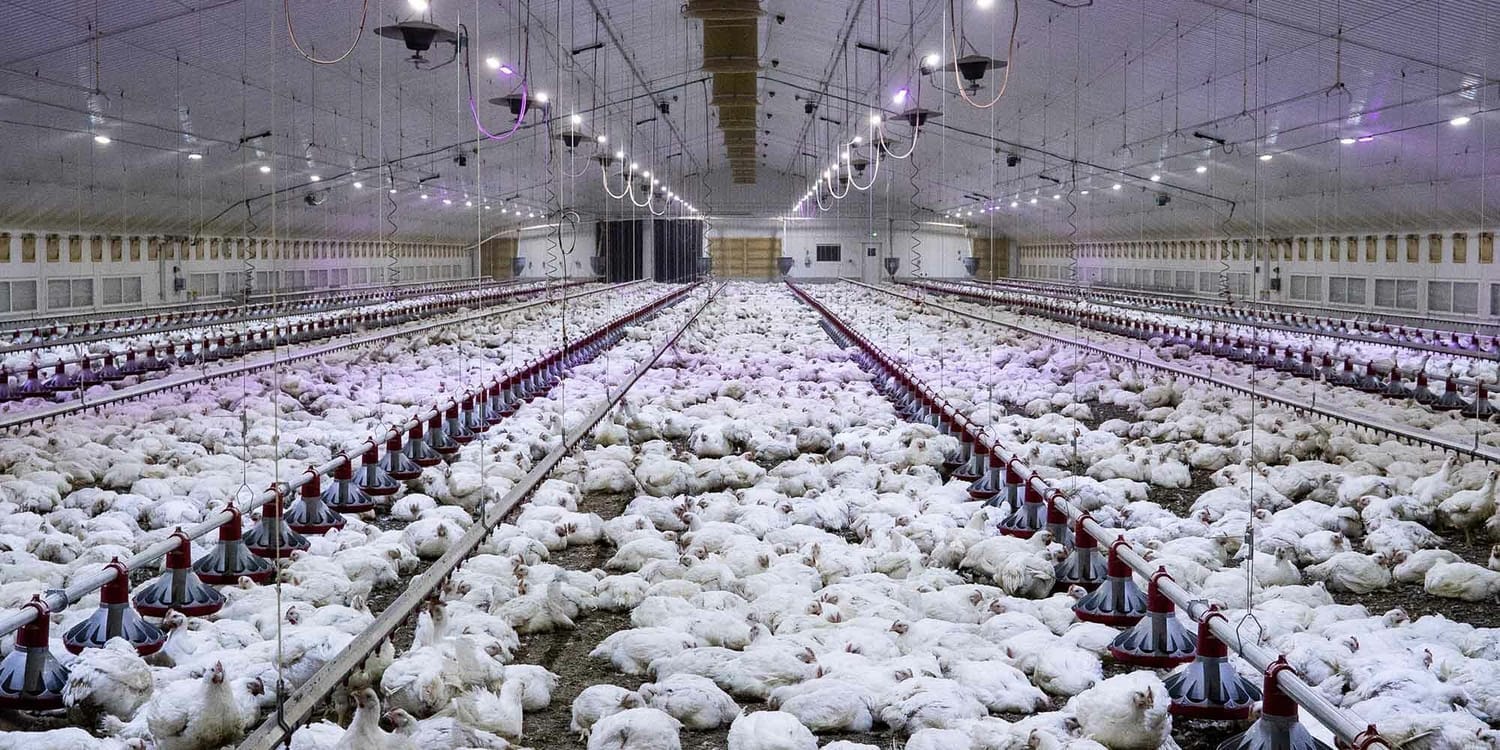
Let's talk about food safety and quality for a second. The U.S. industrial food system relies on confined animal feeding operations where animals are crammed together, fed cheap grain instead of natural diets, and pumped full of antibiotics. Bacterial contamination gets so high that chemical antimicrobial treatments are needed (including chlorinated water rinses in less than 5% of U.S. processing plants).
Regulators say it's safe. The FDA approves it. The European Food Safety Authority looked at it and said the chemicals themselves aren't harmful.
But here's the thing. This is a band-aid approach. Why is bacterial contamination so high that we need chemical intervention in the first place? Because the entire system is built on cutting costs and maximizing output, not on animal welfare or food quality. The EU banned chlorine treatments not because they think it'll poison you, but because they see it as masking underlying hygiene problems.
And whether or not the treatments themselves are harmful, you're still eating chicken from birds that lived in their own filth, eating feed that passes through them so fast they're literally re-ingesting their waste. That's a real thing, even if it's hard to find "official" documentation on it.
Meanwhile, ultra-processed foods loaded with added sugars and preservatives make up a massive portion of the Western diet. Obesity rates in the U.S. are between 40% and 42.7% of adults. Many states have obesity rates exceeding 30%, some over 40%.
Pharma Profits While We Get Sicker
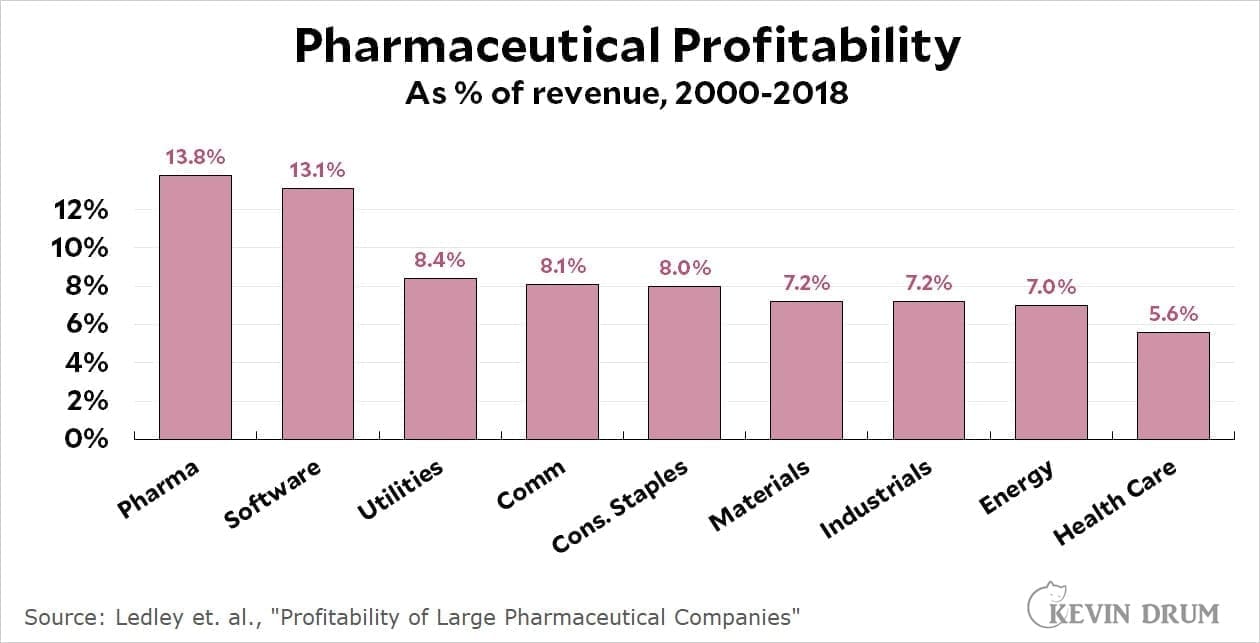
The pharmaceutical industry is making record profits. At the same time, chronic diseases linked to diet and lifestyle (obesity, diabetes, heart disease) are surging.
I can't prove direct causation or some grand conspiracy where food companies and pharma companies are actively colluding. But I can show you the correlation and the incentive structure. There's way more money in treating chronic diseases than preventing them. Pharmaceutical lobbying is massive and well-documented. The revolving door between regulatory agencies and industry is real.
When the system profits more from you being sick than from you being healthy, that's a problem. That's a safety need (your health) being undermined by economic incentives.
Love and Belonging: The Loneliness Epidemic
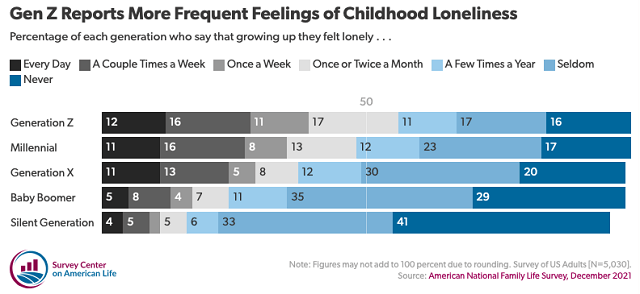
This is where it gets really dark. Because even if you have food, shelter, and some semblance of safety, you still need connection. You need to feel like you belong somewhere, like people care about you, like you're part of something.
And we're failing catastrophically at this level.
53% of Gen Z reported feeling lonely in 2023. 79% of adults aged 18 to 24 feel lonely.
Not "a little isolated sometimes."
Lonely.
Young adults report twice as many days feeling lonely and isolated compared to late middle-age adults.
Think about that for a second. The people who should be in their prime social years, meeting friends, dating, building their adult social networks, they're the loneliest demographic.
Dating Culture Is Broken
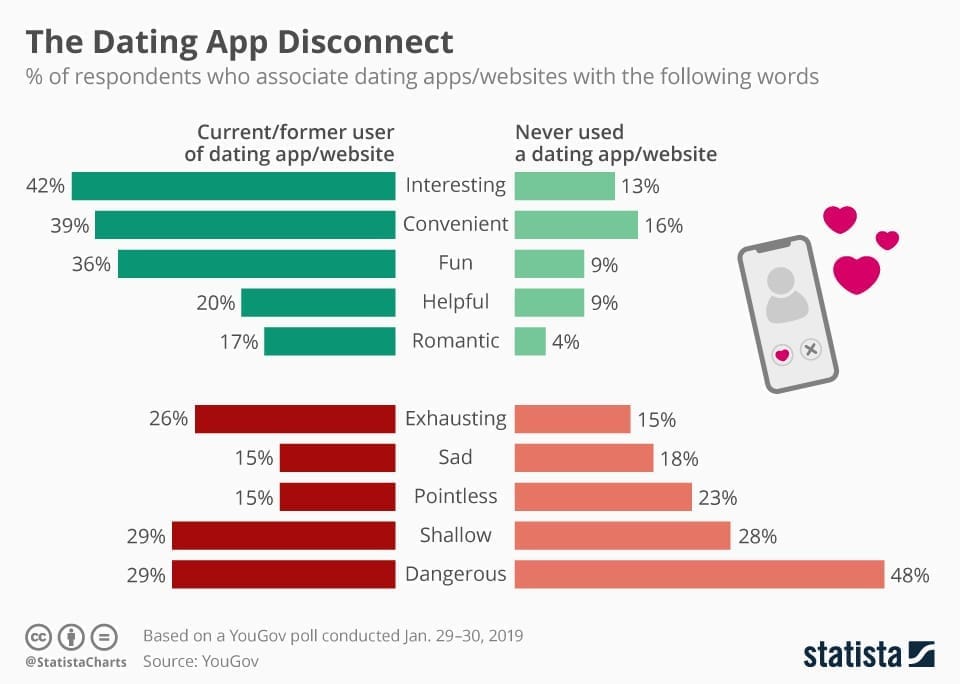
I don't have a peer-reviewed study I can point to that definitively proves "dating culture is destroyed." But if you're under 40, you know what I'm talking about.
Dating apps are now how roughly 40% of couples meet. And they've created this weird abundance paradox where endless options lead to commitment aversion. Why settle for this person when there might be someone better just one more swipe away?
Marriage rates are declining. Age at first marriage keeps increasing. Relationship satisfaction seems to be dropping, though that's hard to measure precisely. Cheating and general relationship instability, while hard to quantify, feel more prevalent.
And look, you can draw a pretty straight line from "dating culture has become transactional and superficial" to "people are delaying or avoiding serious relationships" to "fertility rates are collapsing." It's not the only factor, but it's definitely a factor.
Community Is Dead
Civic organization participation has cratered. Robert Putnam wrote about this in "Bowling Alone" years ago, and it's only gotten worse. People are geographically dispersed from their families. Friendships are harder to maintain. The sense of belonging to a community, having a "third place" that's not home or work where you can just exist and connect with others, that's disappearing.
Part of it is economic. Going out costs money. Entertainment costs money. Even just meeting friends for coffee costs money that a lot of people don't have, especially when you're already spending 30% or 40% of your income on rent.
So people stay home. They scroll on their phones. They watch streaming services. They get lonelier. Depression and anxiety rates keep climbing. And the cycle reinforces itself.
So What's Actually Happening Here?
We're supposed to be living in the most prosperous time in human history. Advanced economies. High GDP. Technological marvels.
But when you map real lived experience onto Maslow's hierarchy, we're not thriving. We're not self-actualizing. We're struggling with basics that previous generations took for granted.
Everything feels like it's getting worse while everything is getting more expensive. Customer experiences are getting worse with bad attitudes in each interaction. Products are getting cheaper in quality, being made from plastic or polyester, or made to break (planned obsolescence). Meanwhile, everything is getting more expensive. Better yet, the Fed plans to print more money as of December 2025.
You can't afford a house. Food is expensive and of questionable quality. There's literal research into messing with the atmosphere to block the sun (with terrifying potential consequences). Jobs are precarious. Cities feel less safe. Your health is being undermined by a food system that prioritizes profit over nutrition and a healthcare system that profits from keeping you sick. You're lonely. You can't find a meaningful relationship. Your community ties are weak or nonexistent.
This isn't a fringe problem affecting a small number of people. This is affecting entire generations across multiple developed countries.
And the wild part? We still believe in self-actualization. We still think we can be anything we want. That top of the pyramid is intact. It's everything underneath that's crumbling.
Maybe the real crisis isn't that we've lost ambition or drive. It's that the foundation required to support that ambition is being systematically dismantled by economic pressures, corporate interests, and policy failures.
You can't self-actualize if you can't afford to eat. You can't reach your potential if you're crushed by loneliness. You can't thrive if you're trapped in a system designed to extract value from you rather than support your well-being.
That's where we are. The pyramid is collapsing from the bottom up, and we're all just trying to hold on.

Helping you achieve digital sovereignty through open-source solutions and human-centered AI automation.
Self-Hosting + Privacy + Automation
nick@apalto.ai


